
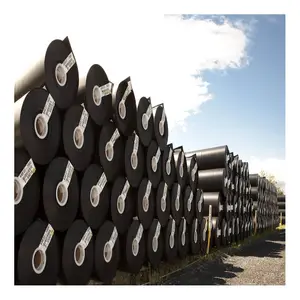
How to Extend the Lifespan of Dam Liners: The Ultimate Guide
Dam liners play a crucial role in water conservation, agriculture, aquaculture, and other industries. However, maximizing their lifespan is vital to reduce costs, ensure functionality, and minimize environmental impact. This guide explores proven methods to extend the lifespan of dam liners, complete with real-life case studies, statistics, FAQs, and expert recommendations. Let’s dive in! 🌊
Table of Contents
- Proper Installation
- Regular Maintenance
- UV Protection
- Choosing the Right Material
- Preventing Mechanical Damage
- Case Studies: Success Stories
- Comparison Table: Materials and Longevity
- FAQs: Dam Liner Longevity
- Related Tools and Resources
- Call to Action
Why Dam Liners Fail Prematurely
Before diving into solutions, it’s essential to understand common reasons why dam liners fail prematurely:
1. Poor Installation Practices
Improper installation, such as inadequate anchoring or stretching, can lead to tears, leaks, and premature wear.
2. UV Radiation
Exposure to sunlight degrades the liner material over time, leading to brittleness and cracking.
3. Mechanical Damage
Sharp objects, heavy equipment, or animal activity can puncture or damage liners.
4. Low-Quality Materials
Using substandard liners results in faster wear and tear.
5. Chemical Degradation
Prolonged exposure to harsh chemicals can weaken liner material.
Top Strategies to Extend the Lifespan of Dam Liners
1. Proper Installation
Proper installation is the first step to ensuring a long-lasting dam liner.
Steps to follow:
- Clear the site of sharp objects and debris.
- Ensure proper compaction of the subgrade to avoid uneven surfaces.
- Use qualified professionals for installation.
Statistics: Research shows that professional installation can extend liner life by up to 30%.
Pro Tip: Use geotextile underlayments to cushion the liner and prevent punctures.
2. Regular Maintenance
Routine inspections are vital to identify potential issues before they escalate.
Checklist for maintenance:
- Inspect for tears, punctures, or signs of wear.
- Remove any debris or sharp objects from the liner surface.
- Ensure proper water levels to avoid liner stress.
Interactive Tip: Use a maintenance app like DamSafePro to track inspections and repairs. 🔧
3. UV Protection
Sunlight exposure is one of the leading causes of liner degradation. Use these measures to protect against UV damage:
Solutions:
- Cover liners with soil, gravel, or water where possible.
- Use UV-stabilized liners designed to withstand prolonged sunlight exposure.
Case Study:
A farm in Kenya reduced liner replacement costs by 40% after switching to UV-stabilized HDPE liners and covering exposed sections with soil.
4. Choosing the Right Material
Not all liners are created equal. Selecting the right material for your specific application is key.
Popular materials:
- HDPE: Highly durable and UV-resistant, ideal for long-term projects.
- PVC: Flexible and cost-effective, suitable for smaller projects.
- EPDM: Exceptional elasticity, ideal for irregular surfaces.
Comparison Table: Materials and Longevity
| Material | Durability (Years) | UV Resistance | Cost (Per Sq. Meter) |
|---|---|---|---|
| HDPE | 20-30 | High | \$4 |
| PVC | 5-10 | Medium | \$2 |
| EPDM | 15-20 | High | \$6 |
5. Preventing Mechanical Damage
Protect your liner from physical harm to maximize its lifespan.
Tips:
- Keep animals and livestock away from dam liners.
- Install protective fencing or barriers.
- Avoid using heavy machinery directly on the liner surface.
Real Example:
A mining company in South Africa reported zero liner punctures after introducing geotextile overlays and restricted equipment zones.
Case Studies: Success Stories
Case Study 1: Agriculture in Kenya
Challenge: Frequent liner replacements due to UV damage and punctures.
Solution:
- Switched to HDPE liners with UV stabilization.
- Added protective soil cover.
Result:
- Lifespan increased by 50%, saving \$5,000 annually.
Case Study 2: Fish Farming in India
Challenge: Chemical degradation of PVC liners.
Solution:
- Transitioned to EPDM liners resistant to chemical exposure.
Result:
- Reduced maintenance costs by 40%.
FAQs: Dam Liner Longevity
1. How long do dam liners last?
The lifespan of a dam liner depends on the material and maintenance:
- HDPE: 20-30 years
- PVC: 5-10 years
- EPDM: 15-20 years
2. Can a damaged liner be repaired?
Yes, small tears can be repaired using specialized patch kits. However, frequent repairs may indicate the need for replacement.
3. Is UV protection necessary for all liners?
Yes, especially in areas with high sunlight exposure. UV-stabilized liners or covering methods are recommended.
Related Tools and Resources
- DamSafePro App: Manage inspections and maintenance.
- LinerCostCalc Tool: Estimate the cost of liners for your project.
- DurableLiners.com: Buy high-quality liners.
Embedded Social Media Posts
Twitter Post
“Maximize your dam liner lifespan with these expert tips! From UV protection to regular maintenance, learn how to save money and reduce waste. 🌊 #DamLiners #WaterConservation Read More“
Facebook Post
“✨ Success Story Spotlight ✨
How one farm in Kenya saved \$5,000 annually by switching to UV-stabilized liners! Learn their strategies here: https://blog 🌱”
Protect your investment and extend the lifespan of your dam liners! Check out our exclusive collection of durable liners and professional installation services today. Click Here to Learn More.
“Discover proven ways to extend the lifespan of dam liners! Learn installation tips, UV protection, and maintenance strategies to save money and protect the environment. Read more!”
Originally posted 2024-12-13 06:50:00.