
Table of Contents
- Introduction to Azolla Farming
- What is Azolla and Why is it Important?
- Nutritional Benefits of Azolla for Livestock
- How to Start Azolla Farming in Kenya
- Materials Needed
- Step-by-Step Process
- Cost Analysis: Is Azolla Farming Profitable?
- Case Studies: Success Stories in Kenya
- Comparison Table: Azolla vs Other Feeds
- Tools and Resources for Azolla Farmers
- FAQs About Azolla Farming
- Conclusion & Call to Action
1. Introduction to Azolla Farming
Azolla farming is gaining popularity in Kenya as a sustainable and cost-effective solution for livestock feed. This tiny aquatic fern is a nutritional powerhouse, providing a cheap and environmentally friendly alternative to conventional feeds. As livestock farmers struggle with high feed costs, Azolla farming offers a glimmer of hope.
2. What is Azolla and Why is it Important?
Azolla is a fast-growing aquatic fern that thrives in fresh water. Known for its high protein content and rapid reproduction, it’s a game-changer for farmers. The plant doubles its biomass every 3-5 days under the right conditions! 🌱
Key Features of Azolla:
- Protein content: 25% – 30%
- High levels of essential amino acids, vitamins, and minerals
- Compatible with various livestock (cows, goats, chickens, and fish)
- Requires minimal maintenance
🔗 External Reference: Learn more about Azolla’s biological properties on FAO.org.
3. Nutritional Benefits of Azolla for Livestock
Azolla is not just any feed – it’s a superfood for livestock! Below is a breakdown of its benefits:
| Nutrient | Azolla (per 100g) | Maize Bran (per 100g) |
|---|---|---|
| Protein | 27% | 10% |
| Calcium | 1.3% | 0.1% |
| Phosphorus | 0.5% | 0.2% |
| Fiber | 5% | 12% |
Azolla improves digestion, enhances milk production, and boosts weight gain in animals. In poultry, it leads to better egg quality and faster growth rates.
4. How to Start Azolla Farming in Kenya
Materials Needed:
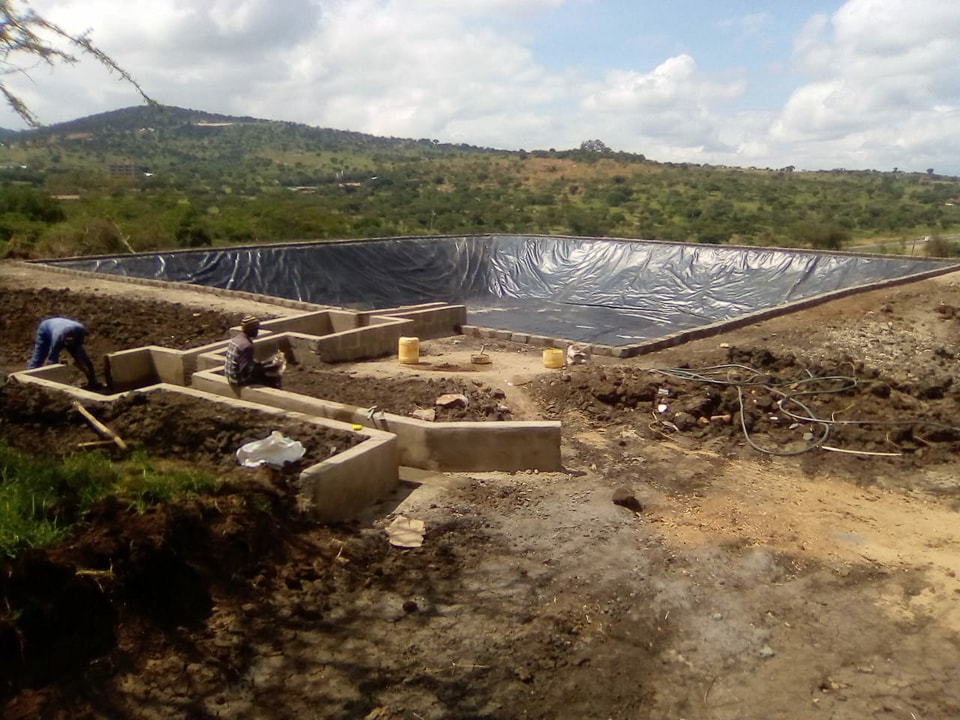
- A shallow pond or tank (plastic, concrete, or tarpaulin)
- Freshwater supply
- Starter Azolla culture
- Organic manure (cow dung or poultry droppings)
Step-by-Step Process:
- Prepare the Tank: Ensure it’s clean and free of contaminants.
- Add Water: Fill the tank with about 10-15 cm of fresh water.
- Enrich the Water: Add a thin layer of organic manure.
- Introduce Azolla: Spread the starter Azolla culture evenly.
- Maintenance: Remove weeds, monitor pH levels (ideal: 5.5 – 7), and harvest weekly.
👉 Pro Tip: Use a digital pH meter to keep water conditions optimal.
5. Cost Analysis: Is Azolla Farming Profitable?
Azolla farming is one of the most cost-efficient agricultural ventures. Here’s a breakdown:
| Item | Cost (KES) |
|---|---|
| Tank Setup | 5,000 – 10,000 |
| Starter Culture | 500 – 1,000 |
| Manure (Monthly) | 500 |
| Maintenance (Monthly) | 300 |
With a 10m² setup, you can produce up to 2kg of Azolla daily, saving thousands in livestock feed costs monthly.
6. Case Studies: Success Stories in Kenya
Farmer Akinyi, Kisumu:
Akinyi started Azolla farming in 2022 and now produces 50kg/month. She reduced her chicken feed costs by 40% and increased egg production by 20%.
John Mwangi, Nakuru:
John integrated Azolla into his dairy farm. His cows’ milk production increased by 25%, and his feed costs dropped significantly.
7. Comparison Table: Azolla vs Other Feeds
| Feed Type | Protein Content | Cost (KES/kg) | Environmental Impact |
|---|---|---|---|
| Azolla | 27% | ~10 | Low |
| Napier Grass | 12% | ~15 | Medium |
| Commercial Feed | 20% | ~50 | High |
Azolla’s high protein content and low cost make it an unbeatable option for Kenyan farmers.
8. Tools and Resources for Azolla Farmers
Recommended Tools:
- pH Meter: Ensures optimal water conditions
- Harvesting Nets: For easy collection of Azolla
- Tarpaulin Sheets: Affordable option for pond setup
Learning Resources:
- YouTube Tutorial: Azolla Farming Guide
- Kenyan Farmer Community Forums: Join discussions and share tips
9. FAQs About Azolla Farming
1. Can Azolla replace all livestock feed?
No, Azolla should be used as a supplement, covering up to 30% of the feed requirement for optimal results.
2. What is the growth rate of Azolla?
Under ideal conditions, Azolla doubles its biomass every 3-5 days.
3. How do I control pests in Azolla farming?
Use neem oil or biological
methods to keep pests away naturally.
4. Is Azolla safe for all livestock?
Yes, but it’s essential to rinse it thoroughly to remove any contaminants.
10. Conclusion
Azolla farming is a game-changer for livestock feed in Kenya. It’s sustainable, affordable, and packed with nutrients. By incorporating Azolla into your livestock feeding routine, you can significantly reduce costs and boost productivity.
👉 Ready to start your Azolla farming journey? Share this guide with fellow farmers and explore the tools mentioned above to get started. Don’t forget to join our Facebook Community for updates and discussions!
Azolla Farming for Livestock Feed in Kenya: Discover how this fast-growing aquatic fern can revolutionize livestock farming. Learn step-by-step methods, cost analysis, and success stories. Start saving on feed costs today! 🌱
Originally posted 2024-12-18 14:36:22.