
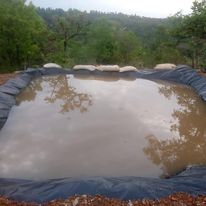
Azolla farming is emerging as a highly profitable venture in Kenya. With the rising demand for sustainable animal feed, organic fertilizers, and eco-friendly agricultural practices, Azolla – a fast-growing aquatic fern – is becoming a game-changer for small-scale farmers and agripreneurs.
Table of Contents
- What Is Azolla Farming?
- Why Azolla Is the Next Big Thing in Kenya
- Key Benefits of Azolla Farming
- Step-by-Step Guide to Starting Azolla Farming in Kenya
- Azolla Farming Profitability: Real Numbers
- Case Studies: Success Stories in Kenya
- Common Challenges and How to Overcome Them
- FAQs About Azolla Farming
- Tools and Resources for Azolla Farming
- Final Thoughts: Is Azolla Farming Worth It?
What Is Azolla Farming? 🌿
Azolla is a small, free-floating aquatic fern that doubles as a high-protein feed for livestock and poultry. It grows rapidly, with the ability to double its biomass in just 3-5 days under favorable conditions. In Kenya, where farmers are constantly searching for affordable and sustainable feed, Azolla farming provides an eco-friendly solution.
Fun Fact:
Azolla is often referred to as “green gold” because of its versatility and economic potential!
Read more about Azolla farming basics here.
Why Azolla Is the Next Big Thing in Kenya
1. Affordable Feed for Livestock
Azolla is rich in proteins, vitamins, and minerals. It’s a cost-effective alternative to expensive commercial feeds for animals like poultry, cattle, pigs, and fish.
2. Eco-Friendly Farming
Azolla enhances soil fertility and reduces reliance on chemical fertilizers. Its cultivation also contributes to carbon sequestration, promoting sustainable agriculture in Kenya.
3. Low Startup Costs
Starting Azolla farming requires minimal investment compared to other farming ventures. With a small pond and some starter culture, you can begin producing within weeks.
Key Benefits of Azolla Farming
| Benefit | Description |
|---|---|
| High Yield | Azolla doubles its biomass in 3-5 days. |
| Nutrient-Rich | Contains up to 25-30% protein, ideal for animal feed. |
| Eco-Friendly | Improves soil fertility and reduces greenhouse gases. |
| Cost-Effective | Requires low inputs like water and minimal fertilizers. |
| Diverse Applications | Can be used as animal feed, biofertilizer, and water purifier. |
Related Keywords:
- High-protein livestock feed
- Organic farming solutions in Kenya
- Affordable animal feed alternatives
Step-by-Step Guide to Starting Azolla Farming in Kenya
- Set Up a Pond or Container
- Use a small pond, tarpaulin-lined pit, or shallow containers.
- Ensure the water is clean and free from pollutants.
- Obtain Azolla Starter Culture
- Purchase from agricultural suppliers or existing Azolla farmers.
- Contact organizations like Kenya Agricultural and Livestock Research Organization (KALRO).
- Prepare the Pond
- Add a thin layer of cow dung slurry or compost for nutrients.
- Maintain water levels at 10-15 cm depth.
- Plant and Manage Azolla
- Introduce starter culture and allow it to spread.
- Regularly monitor water quality, pH, and nutrient levels.
- Harvest and Utilize
- Harvest every 3-5 days to maintain growth rates.
- Use harvested Azolla as feed, compost, or sell it to other farmers.
Azolla Farming Profitability: Real Numbers
Cost Breakdown Table
| Item | Cost (KES) |
|---|---|
| Pond Construction | 5,000 – 15,000 |
| Starter Culture | 500 – 2,000 (per kg) |
| Nutrient Inputs | 1,000/month |
| Maintenance Costs | 500 – 1,000/month |
| Total Investment | 7,000 – 18,000 |
Revenue Analysis
- Average Yield: 1kg of Azolla daily from a 10m² pond.
- Selling Price: KES 100 – 200 per kg.
- Monthly Revenue: KES 3,000 – 6,000.
With minimal maintenance, farmers can recover their investment within 3-6 months!
Case Studies: Success Stories in Kenya 🇪🇷
- Jane’s Poultry Farm in Kiambu
- Reduced feed costs by 40% by incorporating Azolla into her poultry feed.
- Increased egg production by 20% due to improved nutrition.
- Peter’s Dairy Farm in Nakuru
- Uses Azolla as a protein supplement for his dairy cows, saving over KES 10,000 monthly.
Common Challenges and How to Overcome Them
| Challenge | Solution |
|---|---|
| Water Quality Issues | Use clean water and monitor pH regularly (optimal: 6.5-7.5). |
| Pests (e.g., snails) | Use biological controls like ducks to keep pests at bay. |
| Limited Market Awareness | Educate local farmers and create partnerships for consistent sales. |
FAQs About Azolla Farming
1. Is Azolla safe for all livestock?
Yes, Azolla is safe for most livestock, but it should be introduced gradually to prevent digestive issues.
2. How much Azolla should I feed my animals?
- Poultry: 20-30% of the diet.
- Cattle: 1-2 kg/day as a supplement.
3. Where can I buy Azolla starter culture?
Starter cultures are available from local agricultural suppliers, KALRO, or online platforms like Jumia Kenya.
Tools and Resources for Azolla Farming
- pH Test Kits: To maintain optimal water conditions.
- Aquaculture Starter Kits: For beginners.
- Training Videos: Check out YouTube tutorials on Azolla farming.
Embedded Social Media Posts
Example Tweet: 🕊
“Azolla farming is revolutionizing animal feed in Kenya!
Save costs & boost yields with this sustainable solution. Learn how to get started today! #AzollaFarming #Kenya 🌿
Ready to transform your farming business with Azolla?
- Get Started Today: Contact local agricultural centers for starter kits.
- Join the Community: Follow us on Facebook for updates, tips, and success stories.
Final Thoughts: Is Azolla Farming Worth It? 🚀
Azolla farming is not just profitable but also environmentally sustainable. It’s a low-risk venture that provides immense benefits for livestock farmers and organic cultivators. With the right tools, resources, and commitment, you can turn Azolla farming into a thriving business in Kenya.
Snippet:
Azolla Farming in Kenya: Transform Livestock Feed & Soil Fertility 🌱
Learn how to grow Azolla, reduce feed costs, and boost farm profitability in 3 easy steps. Start your journey today!
What are your thoughts about starting Azolla farming? Share your comments below!
Originally posted 2024-12-17 14:24:58.