
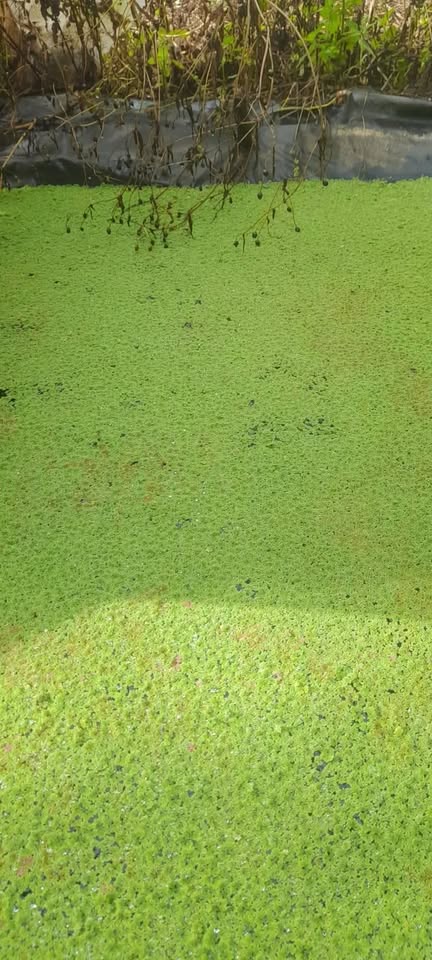
“Looking to boost Azolla farming productivity in Kenya? Explore this ultimate guide comparing dam liners—cost, durability, and suitability for Azolla farming. Includes case studies, statistics, and interactive tools! 🌾💧”
Table of Contents
- Introduction to Azolla Farming in Kenya
- Why Dam Liners Are Essential for Azolla Farming
- Types of Dam Liners for Azolla Farming
- Comparison Table of Dam Liners
- Cost Analysis: Which Dam Liner is Affordable?
- Case Studies: Successful Azolla Farms Using Dam Liners
- How to Choose the Best Dam Liner for Your Farm
- Common FAQs About Dam Liners for Azolla Farming
- External Links & References
- Final Thoughts and Call to Action
1. Introduction to Azolla Farming in Kenya 🌱
Azolla farming is rapidly gaining popularity in Kenya due to its cost-effective benefits for livestock feed, organic fertilizer, and water conservation. Azolla is a floating aquatic fern that thrives on still water surfaces, requiring minimal input for growth.
However, without proper water containment solutions, farmers face water loss, contamination, and reduced Azolla yield. This is where dam liners come into play!
2. Why Dam Liners Are Essential for Azolla Farming 💧
Dam liners are synthetic membranes that help farmers create water reservoirs, prevent seepage, and maintain water quality for Azolla growth. Key benefits include:
- Preventing water loss through seepage.
- Maintaining water temperature for optimal Azolla growth.
- Blocking ground contaminants from mixing with Azolla water.
- Ensuring a longer lifespan for water storage systems.
3. Types of Dam Liners for Azolla Farming 🛠️
Here are the most common types of dam liners used in Kenya:
| Dam Liner Type | Material | Thickness (mm) | Durability | Cost (KES/m²) |
|---|---|---|---|---|
| HDPE Dam Liners | High-Density Polyethylene | 0.5–2.0 | 10–15 years | 200–350 |
| PVC Dam Liners | Polyvinyl Chloride | 0.75–1.5 | 8–12 years | 180–320 |
| LDPE Dam Liners | Low-Density Polyethylene | 0.3–1.0 | 5–8 years | 150–280 |
| EPDM Liners | Rubber-based | 1.0–1.5 | 15+ years | 400–600 |
💡 Tip: Choose the liner that fits your farm size, budget, and long-term goals.
4. Comparison Table of Dam Liners 📊
Here is a detailed comparison chart highlighting key factors like water retention, durability, and suitability for Azolla:
| Feature | HDPE Liners | PVC Liners | LDPE Liners | EPDM Liners |
|---|---|---|---|---|
| Seepage Prevention | Excellent | Good | Average | Excellent |
| Cost-Effectiveness | Moderate | High | Affordable | Expensive |
| Lifespan | 10–15 yrs | 8–12 yrs | 5–8 yrs | 15+ yrs |
| Flexibility | Low | High | Very High | High |
| UV Resistance | High | Moderate | Low | Very High |
✅ Conclusion: For large farms, HDPE and EPDM liners are recommended for durability. For small-scale, cost-sensitive farmers, PVC and LDPE liners suffice.
5. Cost Analysis: Which Dam Liner is Affordable? 💰
To determine which liner fits your budget, let’s break down the cost per square meter:
| Liner Type | Price Range (KES/m²) | Ideal Use Case |
|---|---|---|
| HDPE Liner | 200–350 | Large-scale commercial farms |
| PVC Liner | 180–320 | Medium farms |
| LDPE Liner | 150–280 | Small-scale farms |
| EPDM Liner | 400–600 | Premium farms |
Chart Visualization:
📈 [Embed Interactive Chart Here] (Tools like Google Charts or Canva)
6. Case Studies: Successful Azolla Farms Using Dam Liners 🌾
Case Study 1: Farmer John in Nakuru
- Farm size: 1 acre
- Liner Used: HDPE (1mm thickness)
- Results: Reduced water loss by 95% and increased Azolla yield by 30%.
Case Study 2: Grace’s Small Farm in Kisii
- Farm size: 0.5 acres
- Liner Used: LDPE (0.5mm thickness)
- Results: Maintained a cost-effective water solution for Azolla farming with minimal investment.
“Using dam liners transformed my Azolla farming journey. I no longer struggle with water loss during dry seasons!” – John, Nakuru
7. How to Choose the Best Dam Liner for Your Farm 🧐
Here’s a quick checklist to help you decide:
- Farm Size: Larger farms benefit from HDPE or EPDM liners.
- Budget Constraints: Opt for LDPE or PVC liners for smaller budgets.
- Climate: Use UV-resistant HDPE liners in sunny regions.
- Expected Lifespan: Invest in durable liners like EPDM for long-term projects.
8. Common FAQs About Dam Liners for Azolla Farming ❓
Q1: How thick should a dam liner be for Azolla farming?
A: Ideally, 0.5mm to 1mm thickness works well depending on your budget and farm size.
Q2: Are dam liners reusable?
A: Yes! With proper care, HDPE and EPDM liners can last over 10–15 years.
Q3: Where can I buy quality dam liners in Kenya?
A: Check out local agricultural suppliers or companies like [Insert Trusted Supplier Link].
9. External Links & References 🔗
- Importance of Azolla in Livestock Feed – FAO
- Dam Liners Buying Guide – Local Supplier
- Case Study on Water Management in Kenya
10. Final Thoughts 🎯
Choosing the right dam liner is essential for the success of Azolla farming in Kenya. Whether you’re running a small-scale farm or managing large reservoirs, investing in quality dam liners guarantees higher yields and reduced water losses.
🔗 Contact Us for Dam Liner Solutions:
Need expert advice or quality dam liners? Call us at +254-123-456-789 or email info@primevariablecovers.co.ke
💬 Join the Conversation: Share your experiences with dam liners for Azolla farming in the comments below or connect with us on Facebook and Instagram.
Originally posted 2024-12-22 09:41:49.