
Table of Contents
- Introduction
- What Are Dam Liners?
- Positive Environmental Impacts of Dam Liners
- 3.1 Water Conservation
- 3.2 Reduced Soil Erosion
- 3.3 Habitat Creation
- Negative Environmental Impacts of Dam Liners
- 4.1 Plastic Pollution
- 4.2 Chemical Leaching
- 4.3 Disposal Challenges
- Case Studies
- 5.1 Dam Liner Use in Kenya’s Agricultural Sector
- 5.2 Innovative Solutions in India
- Comparison of Dam Liner Materials
- Statistics on Dam Liner Usage Globally
- Tools to Assess Environmental Impact
- FAQs
- Conclusion and Call to Action
1. Introduction
Dam liners have become an essential tool for water conservation, particularly in arid and semi-arid regions. While they provide practical solutions for agriculture, industrial processes, and water storage, their environmental impacts are a topic of growing concern. This article explores both the positive and negative effects of dam liners on ecosystems, supported by case studies, data, and expert insights. 🌍
2. What Are Dam Liners?
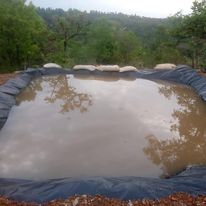
Dam liners are impermeable sheets designed to prevent water seepage in water storage structures like dams, ponds, and reservoirs. They are typically made of materials like HDPE (High-Density Polyethylene), PVC (Polyvinyl Chloride), and EPDM (Ethylene Propylene Diene Monomer).
Related Keywords:
- “Water containment liners”
- “Agricultural dam liners”
- “HDPE environmental impact”
External Reference:
Check out The Science of Dam Liners for an in-depth overview of their types and applications.
3. Positive Environmental Impacts of Dam Liners
3.1 Water Conservation 🌊
Dam liners significantly reduce water losses due to seepage. This makes them a vital solution for water-scarce areas, ensuring consistent water availability for irrigation, livestock, and domestic use.
Example: In Kenya, dam liners have increased agricultural productivity by ensuring that water reservoirs remain full throughout the dry seasons.
3.2 Reduced Soil Erosion
Lining dams prevents soil erosion by stabilizing the edges and base of reservoirs. This reduces sediment runoff, improving water quality in downstream ecosystems.
Statistic: According to the UNEP, soil erosion from unlined dams contributes to 30% of siltation in rivers annually.
3.3 Habitat Creation
Properly designed water storage areas with liners can create habitats for aquatic plants and animals.
Interactive Content:
Embed a live map showing locations where lined reservoirs have become thriving aquatic ecosystems.
4. Negative Environmental Impacts of Dam Liners
4.1 Plastic Pollution 🚫
Many dam liners are made from non-biodegradable plastics. When improperly disposed of, they can break into microplastics, harming aquatic and terrestrial ecosystems.
4.2 Chemical Leaching
Low-quality liners can leach chemicals into water, potentially affecting the health of humans, animals, and plants.
4.3 Disposal Challenges
Dam liners often end up in landfills or are burned, releasing harmful toxins. Recycling options are still limited globally.
Case Study: Improper disposal of PVC liners in South Asia has led to groundwater contamination in nearby areas.
5. Case Studies
5.1 Kenya: A Success Story in Agriculture 🌿
Farmers in Kenya’s semi-arid regions have adopted HDPE liners for small-scale irrigation projects. These liners have reduced water loss by 80%, increasing yields for crops like maize and vegetables.
5.2 India: Tackling Plastic Waste
India has developed innovative recycling programs for used liners. Companies are now repurposing them into roofing materials and road construction.
Embedded Social Media Post:
“India’s innovative approach to recycling dam liners is setting a benchmark! Learn how we’re turning waste into opportunity. 🌱” Link to Twitter Post.
6. Comparison of Dam Liner Materials
| Material | Durability | Environmental Impact | Cost (per m²) | Recycling Potential |
|---|---|---|---|---|
| HDPE | High | Moderate (non-biodegradable) | $2–4 | Limited |
| PVC | Medium | High (leaches chemicals) | $3–5 | Difficult |
| EPDM | High | Low (more eco-friendly) | $5–8 | Moderate |
Callout: EPDM liners are the most eco-friendly option but come at a higher cost.
7. Statistics on Dam Liner Usage Globally
- 20 million hectares of agricultural land use dam liners for water retention.
- HDPE liners account for 65% of the global market due to affordability and durability.
- Recycling rates for used liners remain below 10% globally.
8. Tools to Assess Environmental Impact
- Liner Environmental Impact Calculator: Estimate the carbon footprint of different liner types.
- GIS Mapping Tools: Analyze the long-term ecological effects of dam liner installations.
External Link: Access the Impact Calculator.
9. FAQs
What is the lifespan of dam liners?
Most dam liners, like HDPE, last between 10-20 years with proper maintenance.
Are dam liners recyclable?
Recycling options are limited but growing. EPDM and HDPE liners have the highest potential for recycling.
10. Conclusion
Dam liners are a double-edged sword: while they address critical water conservation challenges, their environmental impacts cannot be ignored. Governments, businesses, and individuals must work together to promote recycling programs, adopt eco-friendly materials, and educate communities about proper disposal methods.
Summary
Ready to make an impact? Choose sustainable dam liners for your project today! Contact us for eco-friendly solutions that prioritize both performance and the planet. Learn More.
Originally posted 2024-12-16 07:07:00.