
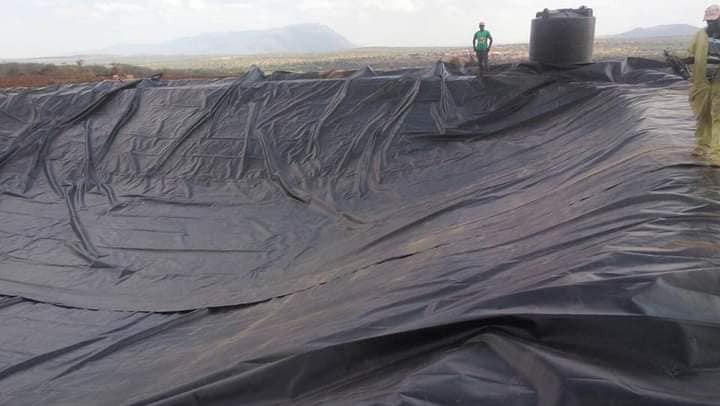
Snippet:
Learn everything you need to know about puncture repair for 1mm HDPE liners. Discover the best tools, techniques, and materials to ensure a durable and efficient fix for your geomembranes.
Table of Contents
- Common Causes
- Impacts on Functionality
- Tools and Materials for Puncture Repair
- Step-by-Step Puncture Repair Process
- Comparison of Repair Methods
- Case Studies and Real-Life Examples
- FAQs
- References & External Links
- Conclusion
1. Introduction to HDPE Liners
HDPE (High-Density Polyethylene) liners are widely used in industries like agriculture, mining, and waste management due to their durability, chemical resistance, and environmental friendliness.
Why Choose 1mm HDPE Liners?
- Cost-effective ✔️
- Suitable for moderate containment applications ✔️
- Easy to install and maintain ✔️
However, even these resilient materials are susceptible to punctures, which, if not addressed, can compromise containment and lead to significant environmental and financial issues.
2. Understanding Punctures in HDPE Liners
Common Causes of Punctures
- Sharp Objects: Rocks, tools, or debris during installation.
- Heavy Equipment: Damage caused by machinery during construction.
- Environmental Factors: Tree roots or wildlife interference.
- Wear and Tear: Prolonged use or poor maintenance.
Statistic: Studies reveal that up to 40% of HDPE liner punctures occur during installation due to improper handling.
Impacts on Functionality
- Leaks: Can lead to contamination of surrounding areas.
- Structural Integrity: Weakens the liner’s ability to hold liquids.
- Regulatory Fines: Non-compliance with environmental standards.
Visual Tip: Imagine your liner as a shield. Even a small puncture can let the “enemy” (contaminants) pass through. ⚠️
3. Tools and Materials for Puncture Repair
To repair punctures in 1mm HDPE liners effectively, you need the right tools and materials:
Tools:
- Hot Air Gun: For welding the patch.
- Roller: Ensures uniform sealing.
- Scissors or Utility Knife: Cuts the patch to the desired size.
- Grinder: Prepares the surface for adhesion.
Materials:
- HDPE Patch: A compatible piece of HDPE material.
- Welding Rods: For extrusion welding.
- Cleaning Solvent: Removes dirt and grease.
- Adhesive Sealant (Optional): Provides extra sealing.
Tip: Use high-quality tools like the Leister Triac ST Hot Air Gun for efficient repairs.
4. Step-by-Step Puncture Repair Process
Follow these steps for a seamless repair:
Step 1: Inspect the Damage
- Identify the size and location of the puncture.
- Clean the surrounding area to remove dirt and debris.
Step 2: Prepare the Surface
- Use a grinder to roughen the surface for better adhesion.
- Ensure the area is dry and clean.
Step 3: Cut the Patch
- Cut an HDPE patch at least 2 inches larger than the puncture.
- Round the edges of the patch to prevent peeling.
Step 4: Weld the Patch
- Heat the patch and liner using a hot air gun.
- Use a roller to press the patch into place while it’s hot.
Step 5: Test the Repair
- Allow the area to cool and perform a water or air test to check for leaks.
Interactive Idea: Add a video tutorial demonstrating these steps.
5. Comparison of Repair Methods
| Method | Pros | Cons |
|---|---|---|
| Heat Welding | Durable and long-lasting | Requires specialized tools |
| Adhesive Repair | Quick and easy for small punctures | Less effective for large punctures |
| Tape Repair | Temporary and affordable | Not suitable for heavy-duty applications |
6. Case Studies and Real-Life Examples
Case Study 1: Agriculture Water Reservoir
Scenario: An agricultural farm in Kenya experienced leaks in their HDPE liner due to wildlife interference.
Solution: Heat welding was used to patch the liner, restoring functionality within hours.
Result: Saved over 50,000 liters of water per month and complied with local environmental regulations.
“HDPE liners are critical to our operations, and timely repairs saved us from a potential disaster.” – John K., Farm Manager
7. FAQs
Q1: How do I know if my liner is repairable?
If the puncture is smaller than 10cm and not near seams, it’s usually repairable. For larger damages, consult a professional.
Q2: Can I repair the liner myself?
Yes, minor punctures can be DIYed with proper tools and techniques. For larger or complex damages, hire an expert.
Q3: What’s the lifespan of a repaired HDPE liner?
With proper repair and maintenance, the liner’s lifespan can still reach its expected duration of 20+ years.
8. References & External Links
- Geomembrane Institute – HDPE Repair Guidelines
- Case Study: Environmental Protection with HDPE Liners
- Leister Hot Air Tools
9. Conclusion
Repairing punctures in 1mm HDPE liners doesn’t have to be overwhelming. With the right tools, materials, and techniques, you can restore the integrity of your liners quickly and efficiently.
Ready to Repair? Get high-quality tools and patches today from [Your Store Name]! Click below to order now! 🔄
Don’t forget to share your repair journey on social media and tag us for a chance to be featured! ✨
Originally posted 2024-12-13 07:59:03.