
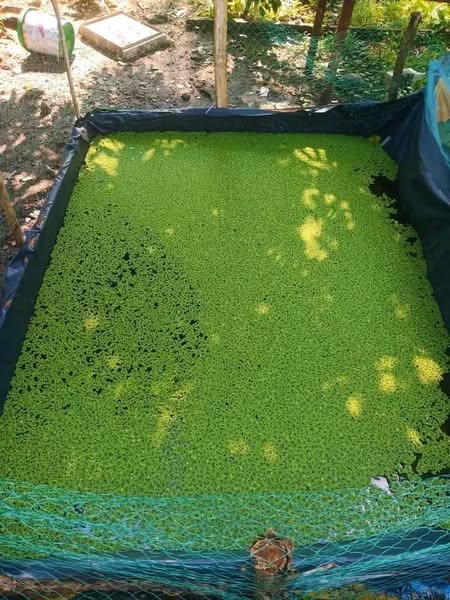
Azolla farming has become increasingly popular in Kenya due to its low-cost and high-yield benefits. Azolla, a fast-growing aquatic fern, has various uses: from serving as an organic fertilizer to providing high-quality animal feed. This guide will walk you through everything you need to know about starting and maintaining an Azolla farm in Kenya, including expert tips, case studies, statistics, FAQs, and much more.
Table of Contents 📜
- What is Azolla?
- Benefits of Azolla Farming in Kenya 🌍
- How to Start Azolla Farming in Kenya 🚜
- Azolla Farming Costs in Kenya 💰
- Uses of Azolla 🌿
- Challenges and Solutions 🛠️
- Case Studies: Azolla Success Stories in Kenya 📈
- Frequently Asked Questions (FAQs) ❓
- Call to Action: Start Your Azolla Farm Today! 🌱
What is Azolla? 🌱
Azolla is a floating aquatic fern that thrives in both fresh and saline water. It is recognized for its ability to fix nitrogen from the atmosphere, making it an excellent natural fertilizer. Azolla is particularly popular in sustainable farming practices, as it reduces the need for synthetic fertilizers, promotes soil health, and improves crop yields.
In Kenya, Azolla farming has gained traction for its benefits in organic farming, livestock feed, and bioremediation of water bodies. It grows rapidly and can be cultivated in small-scale ponds, tanks, or even trays, making it ideal for Kenyan farmers of various scales.
Benefits of Azolla Farming in Kenya 🌍
Azolla farming offers a wide range of benefits, making it an attractive option for Kenyan farmers. These include:
- Low Cost of Production 💵: Azolla requires minimal inputs—only water, sunlight, and organic matter like farm waste.
- Sustainable Agriculture 🌿: It acts as a natural fertilizer, reducing the need for chemical fertilizers.
- Livestock Feed 🐄: Azolla is rich in proteins and essential nutrients, making it a high-quality feed for cows, goats, and poultry.
- Water Purification 🌊: Azolla can absorb excess nutrients and pollutants from water bodies, improving water quality.
- High Growth Rate ⚡: It can double in volume within a week, ensuring fast returns on investment.
How to Start Azolla Farming in Kenya 🚜
Starting an Azolla farm is straightforward, but it requires careful planning and attention to detail. Here’s a step-by-step guide on how to establish a successful Azolla farm in Kenya.
Step 1: Preparing the Farm Site 🏞️
Choose a location with access to clean, freshwater. Ideally, the site should be free of pollutants. The farm can be set up in:
- Ponds: Natural or artificial ponds are the most common.
- Tanks: Raised tanks or concrete structures are good for small-scale farming.
- Trays: For very small-scale or research purposes.
Pro Tip: If you’re using a pond, ensure it gets enough sunlight (at least 4 hours per day). Use nets to keep out animals that might feed on the Azolla.
Step 2: Choosing the Right Azolla Species 🌾
There are several species of Azolla, but the most common for farming in Kenya are Azolla filiculoides and Azolla pinnata. Both thrive in tropical climates and have excellent growth rates.
Table: Comparison of Azolla Species
| Species | Growth Rate | Ideal Temperature | Nutrient Content | Best For |
|---|---|---|---|---|
| Azolla filiculoides | Fast | 20-30°C | High in protein | Livestock feed, Fertilizer |
| Azolla pinnata | Moderate | 22-28°C | Moderate protein | Water purification, Fertilizer |
Step 3: Setting Up the Pond or Tank 🏞️
- Water Depth: Maintain a water depth of 5–15 cm for ponds.
- Water Quality: The water should be free from contaminants and have a neutral pH (6.5–7.5).
- Fertilization: Organic manure can be added to the water to encourage Azolla growth.
Pro Tip: Use organic materials like cow dung or chicken manure as a nutrient source.
Step 4: Planting and Maintaining Azolla 🌾
Once the water is ready, introduce a small amount of Azolla to your system. The initial stocking rate can be around 1–2 kg of Azolla per square meter. Ensure that the Azolla receives ample sunlight and maintain good water quality.
Maintenance Tips:
- Water Circulation: Keep the water clean and aerated to prevent stagnation.
- Temperature Monitoring: Azolla thrives at temperatures between 22°C to 30°C.
- Weed Management: Remove unwanted plants that may compete with Azolla for nutrients.
Step 5: Harvesting Azolla 🧑🌾
Azolla can be harvested in about 1–2 weeks, depending on environmental conditions. Simply skim off the Azolla using a net or rake.
Harvesting Tips:
- Harvest about 25–30% of the Azolla per week to allow continuous growth.
- Dry the Azolla if storing for later use, especially for livestock feed.
Azolla Farming Costs in Kenya 💰
The cost of setting up an Azolla farm in Kenya varies depending on the scale. Below is a breakdown of the initial costs:
Estimated Cost Breakdown (per 1-acre farm)
| Item | Cost (KES) |
|---|---|
| Pond/Tank Setup | 20,000 |
| Azolla Seedlings | 5,000 |
| Organic Fertilizers (Manure) | 3,000 |
| Water Pump & Aeration | 10,000 |
| Miscellaneous | 2,000 |
| Total Initial Investment | 40,000 KES |
Operating Costs (per month)
| Item | Cost (KES) |
|---|---|
| Water & Irrigation | 2,000 |
| Maintenance | 1,500 |
| Feed for Livestock (if applicable) | 5,000 |
| Total Operating Costs | 8,500 KES |
Uses of Azolla 🌿
Azolla has multiple uses, making it an excellent choice for diversifying farm income:
- Livestock Feed 🐄: Azolla is high in protein (about 25%) and can be used to supplement animal feed.
- Organic Fertilizer 🌱: Azolla is rich in nitrogen and can be used directly in the soil to enhance soil fertility.
- Bioremediation 🌊: Azolla can help absorb excess nutrients and pollutants from water bodies, improving water quality.
Challenges and Solutions 🛠️
- Water Quality: Azolla needs clean water. Solution: Regular water testing and treatment.
- Pests: Occasionally, pests like snails and insects may affect growth. Solution: Use natural predators or organic repellents.
- Temperature Control: Extreme temperatures can hinder growth. Solution: Use shade nets or move tanks to cooler areas.
Case Studies: Azolla Success Stories in Kenya 📈
Case Study 1: Mr. John’s Farm (Nairobi)
Mr. John started his Azolla farm on 0.5 acres in Nairobi and reported a 300% return on investment within 6 months. He used Azolla primarily for livestock feed and found that it improved milk production in his cows by 20%.
Case Study 2: Farm X (Rift Valley)
Farm X specializes in organic farming and uses Azolla as a green fertilizer. The farm reduced its fertilizer costs by 60% within the first year of adopting Azolla farming.
Frequently Asked Questions (FAQs) ❓
1. How long does it take to grow Azolla?
Azolla grows rapidly, with the population doubling every 3–5 days under ideal conditions.
2. Can I grow Azolla in tanks?
Yes, Azolla can be successfully grown in small tanks, especially for small-scale farmers.
3. What temperature is ideal for Azolla growth?
Azolla thrives in temperatures between 22°C and 30°C.
Call to Action: Start Your Azolla Farm Today! 🌱
Are you ready to embrace Azolla farming and boost your farm’s productivity? Whether you are looking for sustainable agriculture practices or want to improve livestock feeding, Azolla farming offers endless possibilities. Start small, experiment, and watch your farm grow!
QUICK OVERVIEW 📰
Azolla farming in Kenya is a sustainable and profitable venture, offering numerous benefits such as reducing fertilizer costs, improving livestock feed, and promoting environmental sustainability. By following this step-by-step guide, Kenyan farmers can set up successful Azolla farms with minimal investment and reaping fast returns.
Originally posted 2024-12-17 15:26:44.