
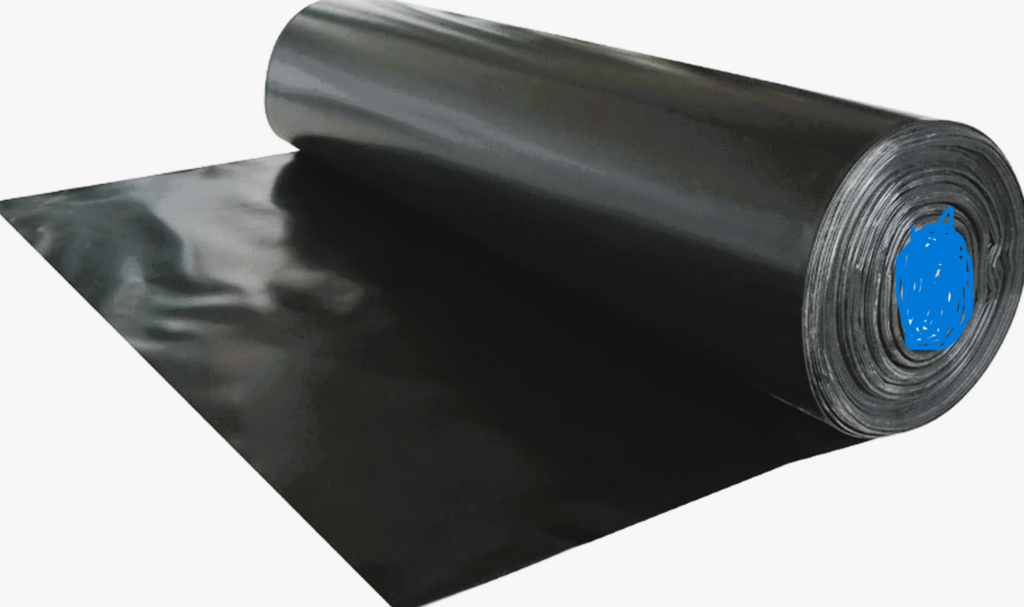
Geomembrane liners for water storage are synthetic membranes used to prevent water seepage in ponds, tanks, dams, and reservoirs. Made from materials like HDPE, LDPE, or PVC, these liners provide long-lasting, flexible, and impermeable barriers that ensure effective water conservation, especially for agricultural and industrial applications.
What Are Geomembrane Liners for Water Storage?
Geomembrane liners are impermeable synthetic membranes used to line water containment systems. They are primarily designed to prevent seepage and leakage in reservoirs, dams, irrigation ponds, fishponds, and other water storage facilities.
These liners are made from various polymers like:
- High-Density Polyethylene (HDPE)
- Low-Density Polyethylene (LDPE)
- Polyvinyl Chloride (PVC)
- Ethylene Propylene Diene Monomer (EPDM)
Their primary function is to act as a barrier between stored water and the ground, reducing water loss and enhancing water quality.
🌾 Why Farmers and Industries Prefer Geomembrane Liners
✅ 1. Prevents Water Loss through Seepage
Without a proper liner, water stored in earthen ponds or dams can quickly seep into the soil. Geomembrane liners offer zero seepage—conserving water and saving costs.
✅ 2. Enhances Water Storage Capacity
When you line a pond or dam with geomembrane, you maximize its holding capacity by minimizing water loss. This is crucial in arid and semi-arid regions where every drop counts.
✅ 3. Protects Water from Contamination
A geomembrane barrier stops underground pollutants or debris from mixing with your stored water, ensuring cleaner water for livestock, irrigation, aquaculture, or human use.
✅ 4. Durable and Long-Lasting
HDPE geomembrane liners, in particular, are known to last over 20 years with UV resistance, chemical resistance, and puncture resistance.
✅ 5. Low Maintenance
Once installed correctly, these liners require minimal maintenance, unlike traditional clay or concrete-based solutions that crack or erode over time.
🛠️ Applications of Geomembrane Liners for Water Storage
🏞️ 1. Farm Ponds and Irrigation Reservoirs
Used to retain rainwater or borehole water for irrigation during dry seasons.
🐟 2. Fish Farming Ponds
Creates a controlled aquatic environment with minimal seepage and easy cleaning.
🏗️ 3. Industrial Water Containment
Helps in storing process water or wastewater in factories or mining operations.
🧺 4. Rainwater Harvesting Systems
Useful for collecting, channeling, and storing rainwater for later use.
🛑 5. Temporary Water Storage Tanks
Often used during construction projects or emergency relief operations.
🔍 Types of Geomembrane Liners Based on Material
| Material | Key Features | Best Use Case |
|---|---|---|
| HDPE | High strength, UV and chemical resistant | Dams, industrial storage |
| LDPE | More flexible than HDPE | Shallow ponds |
| PVC | Soft, easy to install | Small agricultural ponds |
| EPDM | Highly flexible and elastic | Fish farming & decorative ponds |
📦 How to Choose the Right Geomembrane Liner
🧱 1. Soil Type
In sandy or porous soil, a thicker liner (1.0 mm to 2.0 mm) is recommended.
🧪 2. Water Type
For chemical-laden or wastewater, go with chemically resistant HDPE liners.
📏 3. Pond/Dam Size
Larger containment areas need thicker and UV-stabilized geomembranes.
🏗️ 4. Installation Ease
Smaller setups can use flexible PVC liners; larger ones may need welding and professional installation.
📈 Advantages Over Traditional Liners
| Feature | Geomembrane Liner | Clay/Concrete Liner |
|---|---|---|
| Water Loss | Near Zero | High due to cracks/seepage |
| Cost | Medium initial cost | High maintenance and repair |
| Installation Time | Quick | Time-consuming |
| Maintenance | Very Low | High |
| Lifespan | 20–30 years | 5–10 years |
📣 Ready to Buy? Why Now Is the Best Time
If you are a farmer, fish pond owner, project manager, or water engineer, investing in geomembrane liners for water storage is the smartest way to:
- Reduce water wastage
- Cut operational costs
- Improve productivity
- Protect your water supply year-round
Top suppliers in Kenya include:
- prime variable covers
- Damliner Kenya (https://www.damlinerkenya.co.ke)
- Geo Membranes Africa
📞 Call/WhatsApp us today at 0724157314 for custom sizes and expert advice.
We provide installation services, site inspection, and affordable delivery within Kenya and East Africa.
🙋 Frequently Asked Questions (FAQs)
❓ What is a geomembrane liner used for?
A geomembrane liner is used to prevent water loss through seepage in ponds, tanks, dams, and reservoirs. It’s commonly used in agriculture, aquaculture, and industrial water management.
❓ Which geomembrane is best for water storage?
HDPE geomembrane is widely considered the best due to its strength, UV resistance, and chemical durability.
❓ How long do geomembrane liners last?
With proper installation, geomembrane liners can last 20 to 30 years, especially HDPE liners exposed to sunlight and varying weather.
❓ Are geomembrane liners eco-friendly?
Yes, most liners are non-toxic, recyclable, and designed to protect water resources, making them environmentally sustainable.
❓ Can I install a geomembrane liner myself?
Smaller setups may allow DIY installation. However, for large dams or ponds, it is best to hire professional installers for seam welding and correct placement.
🧾 Final Thoughts: Protect Your Water, Boost Your Yields
Water is life—especially for farmers, industries, and communities dependent on consistent supply. Don’t let it seep away into the soil. With geomembrane liners for water storage, you get:
- A durable barrier
- Cleaner water
- Greater efficiency
- Peace of mind