
Table of Contents
- Introduction
- Why Proper Care for 0.5mm Liners Matters
- Understanding 0.5mm Liners
- Material Overview
- Benefits and Applications
- Essential Cleaning Supplies 📝
- Daily Cleaning Tips
- Deep Cleaning and Maintenance Routines
- Common Mistakes to Avoid ⚠️
- Comparison Table: 0.5mm Liner Cleaning Products
- Statistics on Longevity with Proper Care 📊
- Case Studies: Success Stories
- Interactive Tools and Resources ⚙️
- FAQs About 0.5mm Liners
- Conclusion and Call to Action
- Get Started with Better Care Today
1. Introduction
Caring for a 0.5mm liner is essential to ensure durability and optimal performance. These liners are widely used in industries like agriculture, aquaculture, and water storage. However, neglecting proper maintenance can lead to costly replacements. In this guide, we’ll explore actionable tips, tools, and resources for cleaning and maintaining your liner effectively.
Quick Fact: Proper cleaning and care can extend the lifespan of your liner by up to 30%!
2. Understanding 0.5mm Liners
Material Overview
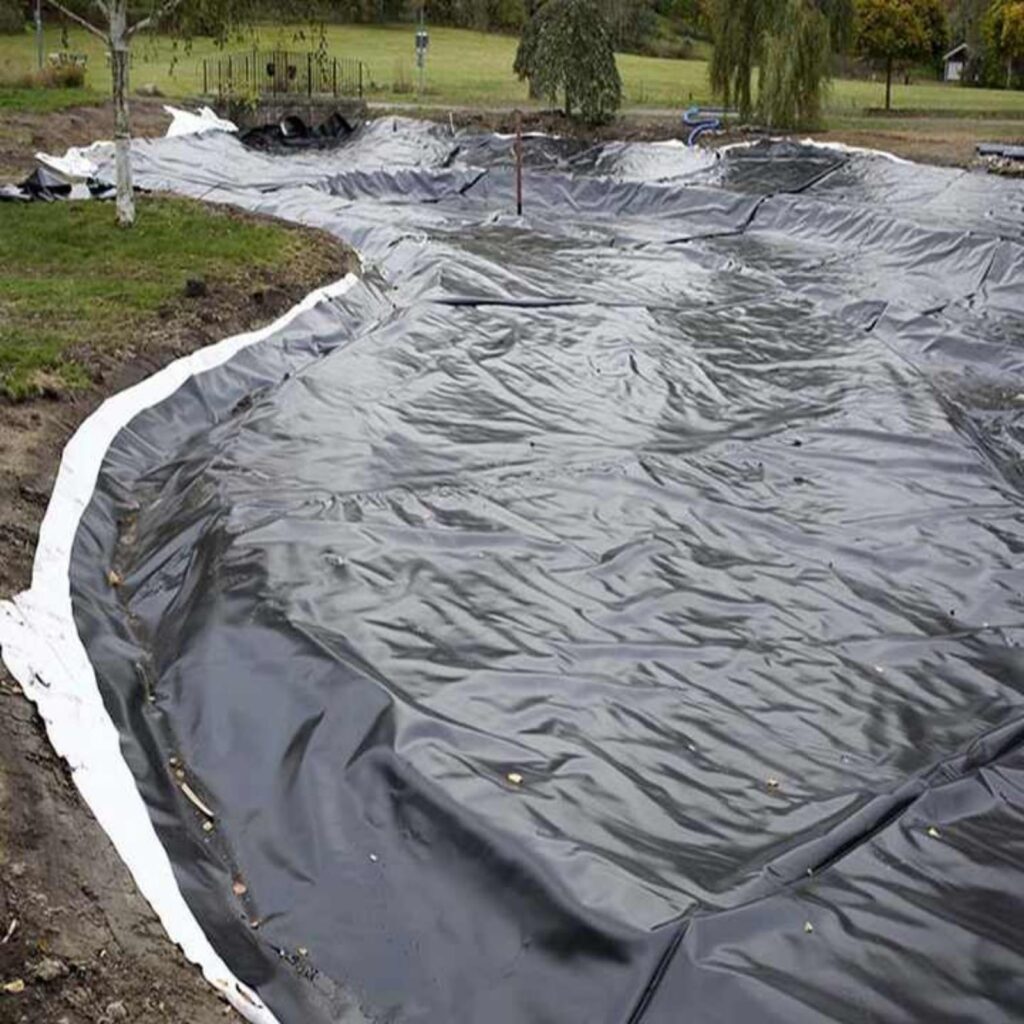
0.5mm liners are typically made of high-density polyethylene (HDPE) or polyvinyl chloride (PVC), offering flexibility, durability, and water resistance. These properties make them ideal for various applications.
Benefits and Applications
- Agriculture: Used for irrigation ponds and reservoirs.
- Construction: Acts as a barrier in landfill projects.
- Aquaculture: Prevents water seepage in fish tanks.
3. Essential Cleaning Supplies 📝
Before diving into cleaning, gather these essential tools:
| Cleaning Supplies | Purpose |
|---|---|
| Soft-bristle brush | Removes surface dirt without scratching |
| Non-abrasive detergent | Cleans grease and grime safely |
| Microfiber cloth | Dries the liner without leaving scratches |
| Garden hose with sprayer | Washes off debris and soiling |
| Protective gloves | Shields hands from harsh cleaning agents |
Pro Tip: Always use eco-friendly cleaning solutions to avoid damaging the liner or the environment.
4. Daily Cleaning Tips
- Inspect Daily: Check for dirt, algae, or debris.
- Rinse Regularly: Use a garden hose to remove loose dirt.
- Wipe Gently: Use a damp microfiber cloth to clean stubborn spots.
Tip: Avoid using sharp tools that can puncture or tear the liner.
5. Deep Cleaning and Maintenance Routines
For deep cleaning, follow these steps every three months:
Step 1: Remove Water
Drain the water partially to expose the areas that need cleaning.
Step 2: Scrub and Wash
- Mix a solution of non-abrasive detergent and water.
- Scrub the liner with a soft-bristle brush.
Step 3: Rinse Thoroughly
Rinse with clean water to remove detergent residue.
Step 4: Inspect for Damage
Check for cracks or holes. Use a repair kit to patch small damages immediately.
6. Common Mistakes to Avoid ⚠️
- Using Harsh Chemicals: These can degrade the liner material.
- Neglecting Regular Cleaning: Allows algae and dirt buildup.
- Using Abrasive Tools: Can cause scratches and tears.
7. Comparison Table: 0.5mm Liner Cleaning Products
| Product Name | Price (USD) | Eco-Friendly | Best For |
|---|---|---|---|
| CleanGuard Detergent | $10 | Yes | General cleaning |
| LinerSoft Brush | $15 | Yes | Scrubbing tough stains |
| EcoSpray Hose | $20 | Yes | Rinsing dirt and algae |
8. Statistics on Longevity with Proper Care 📊
- Without Proper Maintenance: Average lifespan = 5-7 years.
- With Proper Cleaning: Average lifespan = 10+ years.
Source: Industry Case Studies, 2023
9. Case Studies: Success Stories
Case Study 1: Agricultural Pond Liner
- Location: Kenya
- Challenge: Excessive algae growth.
- Solution: Regular rinsing and eco-friendly cleaning agents.
- Result: Increased liner lifespan by 40%.
Case Study 2: Industrial Storage Tank
- Location: South Africa
- Challenge: Chemical spills causing deterioration.
- Solution: Monthly deep cleaning with neutral pH detergents.
- Result: Reduced wear and tear by 25%.
10. Interactive Tools and Resources ⚙️
Water Storage Calculator Tool
Estimate cleaning costs and time for your liner! Try it here.
Embedded Social Media Post
☝️ “Proper liner maintenance doesn’t just save money, it saves the environment! Learn how to care for your liners effectively.”
See More Tips on Our Facebook Page
11. FAQs About 0.5mm Liners
Q1: How often should I clean my liner?
A: Perform light cleaning weekly and deep cleaning quarterly.
Q2: What cleaning solutions are best?
A: Use pH-neutral, non-abrasive detergents to prevent damage.
Q3: How do I repair a damaged liner?
A: Use a specialized repair kit with patches and adhesive.
12. Conclusion
Caring for your 0.5mm liner doesn’t have to be complicated. By following these tips, you’ll maximize its lifespan and save money in the long run.
✅ Take Action Now:
- Start by inspecting your liner today.
- Share your success story with us on social media!
Quick Overview:
Discover the secrets to extending the lifespan of your 0.5mm liner with our ultimate cleaning and care guide. From daily maintenance to eco-friendly products, learn actionable tips to save time and money.
For more resources, explore our dedicated cleaning tools page. 📊 Stay tuned for more insights!
Originally posted 2024-12-15 06:59:00.